Programmes and initiatives
Our work
We connect research, education, creativity, and community action to build practical responses to the challenges young people and educators face.
01
From Local Knowledge to National Practice
Peacebuilding Education in Schools
Since 2020, Frontline has been advancing peacebuilding education in Armenia by integrating research, curriculum development, and teacher professional development.
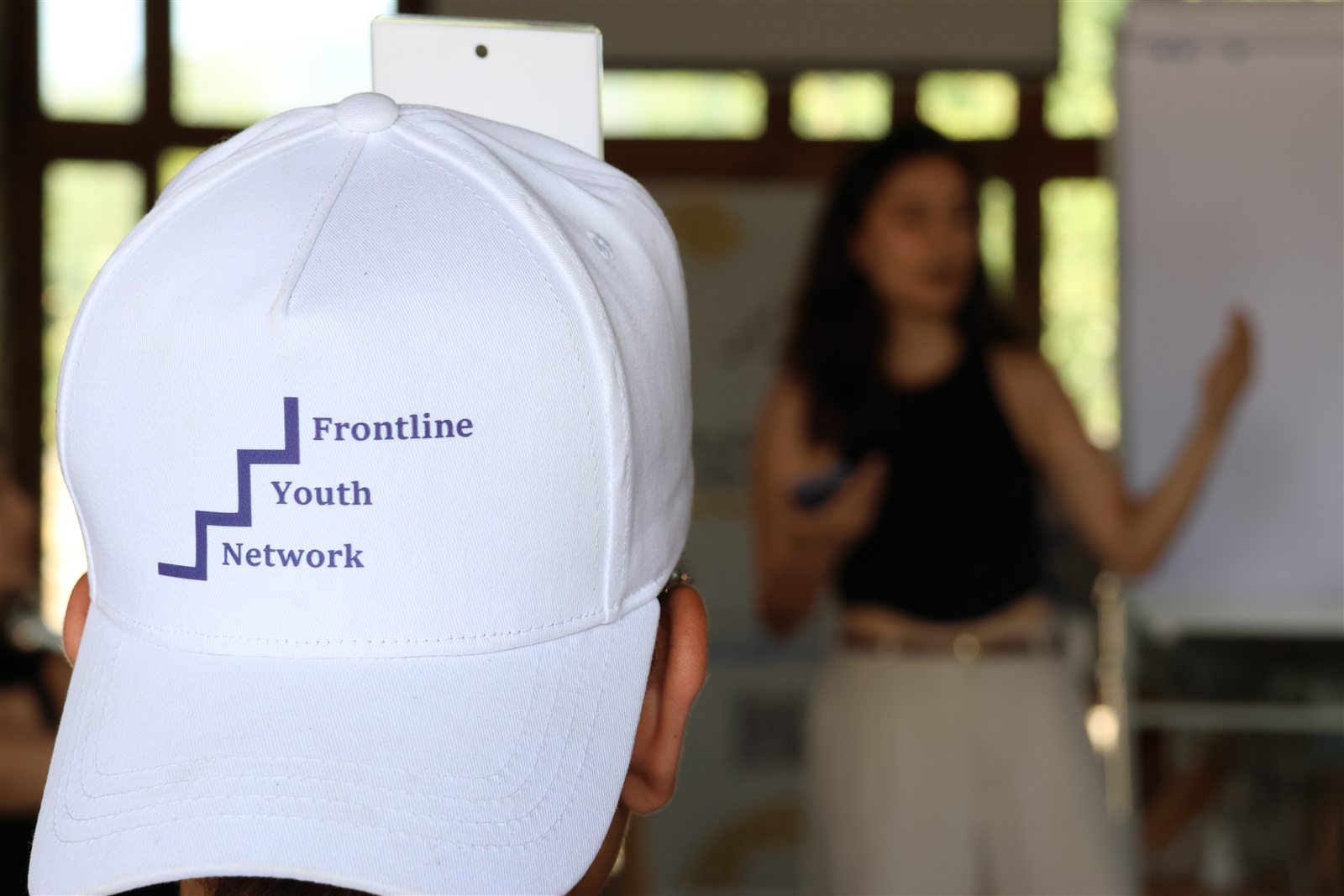
This initiative emerged from a simple observation: schools lacked systematic knowledge and practical teaching approaches related to conflict, peace, and peacebuilding. At the same time, ongoing education reforms and the introduction of new national curriculum standards created an opportunity to integrate these topics, particularly within social studies education.
In response, Frontline developed its own approach, grounded in Armenia’s educational context and shaped through participatory discussions with teachers, students, and subject-matter experts. The result was the country’s first comprehensive, locally developed peacebuilding education curriculum – designed not by adapting international models, but by responding to Armenia’s specific context and educational needs.
As part of this process, Frontline developed three peacebuilding education handbooks for teachers. Each publication underwent expert review, classroom piloting, and revisions based on teachers’ feedback before receiving official endorsement from the Ministry of Education, Science, Culture and Sport of the Republic of Armenia as supplementary educational resources.
The handbooks present peace not only as a topic of international relations, but also as a culture of everyday human relationships, human rights, democracy, cooperation, and responsible citizenship. They equip teachers with practical, age-appropriate, and safe methods for facilitating discussions on conflict, violence, peace, and social relationships in the classroom.
Today, the initiative continues through teacher professional development. More than 1,500 teachers from every region of Armenia have been trained using Frontline’s peacebuilding education methodology and materials. Since 2025, in cooperation with the National Center for Educational Development and Innovation, peacebuilding education has also become part of the national online teacher training programme, making these resources accessible to educators across the country.
2021-2025
02
Youth Summer School Series
Seed the Change
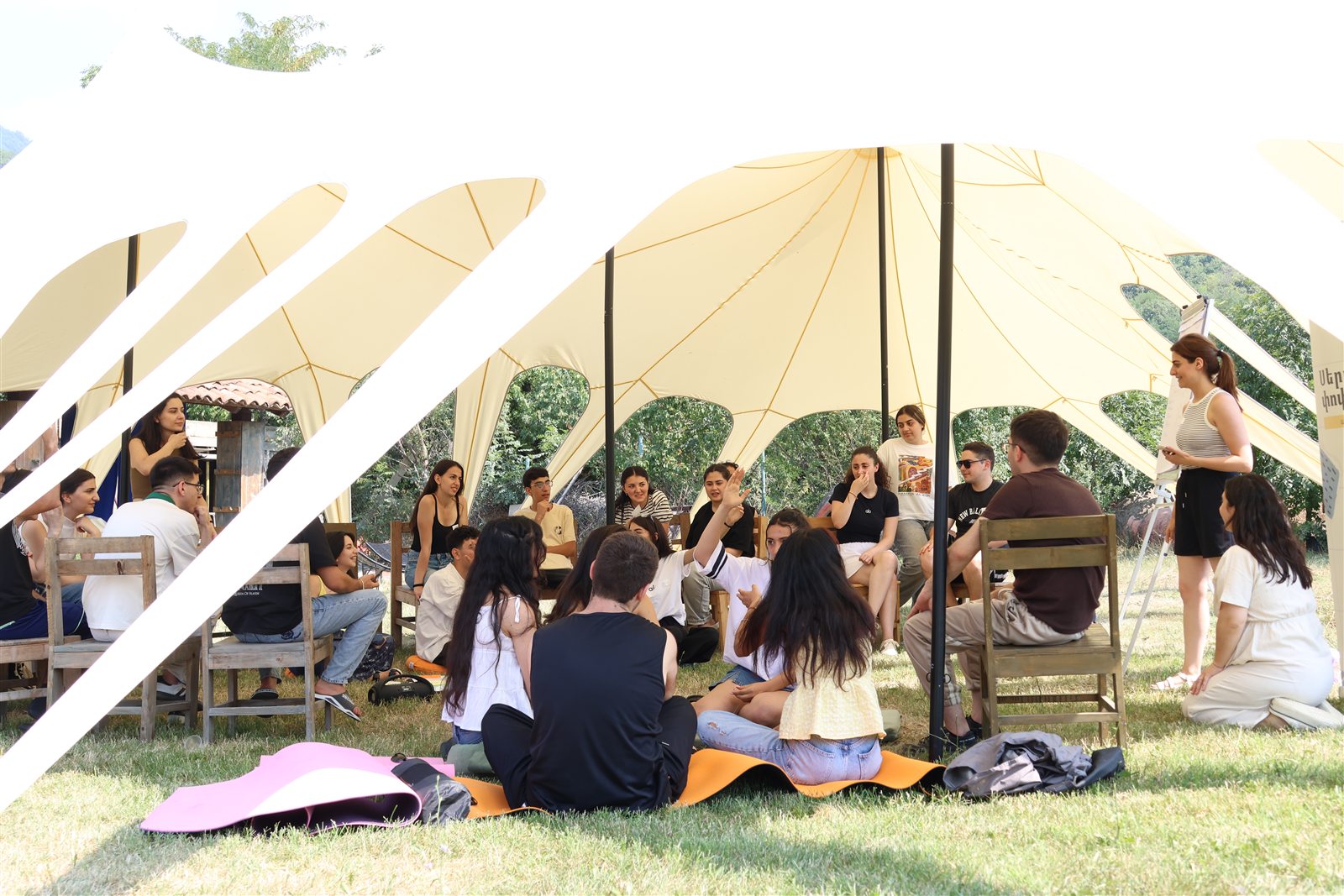
Seed the Change is a five-day youth summer school series that brings together peacebuilding, environmental sustainability, and equality through non-formal education.
Each summer school is built around interactive learning, combining discussions, role-playing, experiential activities, outdoor excursions, creative methods, and community initiative design. Throughout the programme, participants use the “Seed the Change” Activist Handbook as a practical guide, workbook, and resource for continued engagement beyond the summer school.
Over five years, each edition has explored a unique thematic focus. Participants have designed and implemented community-based initiatives, created collages later featured in The Future We Want exhibition, explored conflict and trauma through art, and deepened their understanding of peace and conflict transformation. The most recent summer school was held in Georgia in partnership with international organizations.
The programme has also served as a foundation for several new Frontline initiatives, including the “Towards Trauma-Informed Education” educational toolkit and the emerging Frontline Peace Academy.
Impact at a glance
Five years of learning and leadership.
- 5youth summer schools delivered
- 100+programme alumni
- 20 + 5participants and preparation team members in each school
- 1 yearalumni pathway with mentorship, internships, and leadership opportunities
A growing and active alumni community continues the work beyond each summer school.
03
Participatory Research and Exhibition
The Future We Want
A creative summer-school exercise grew into a nationwide research initiative and a travelling public exhibition.
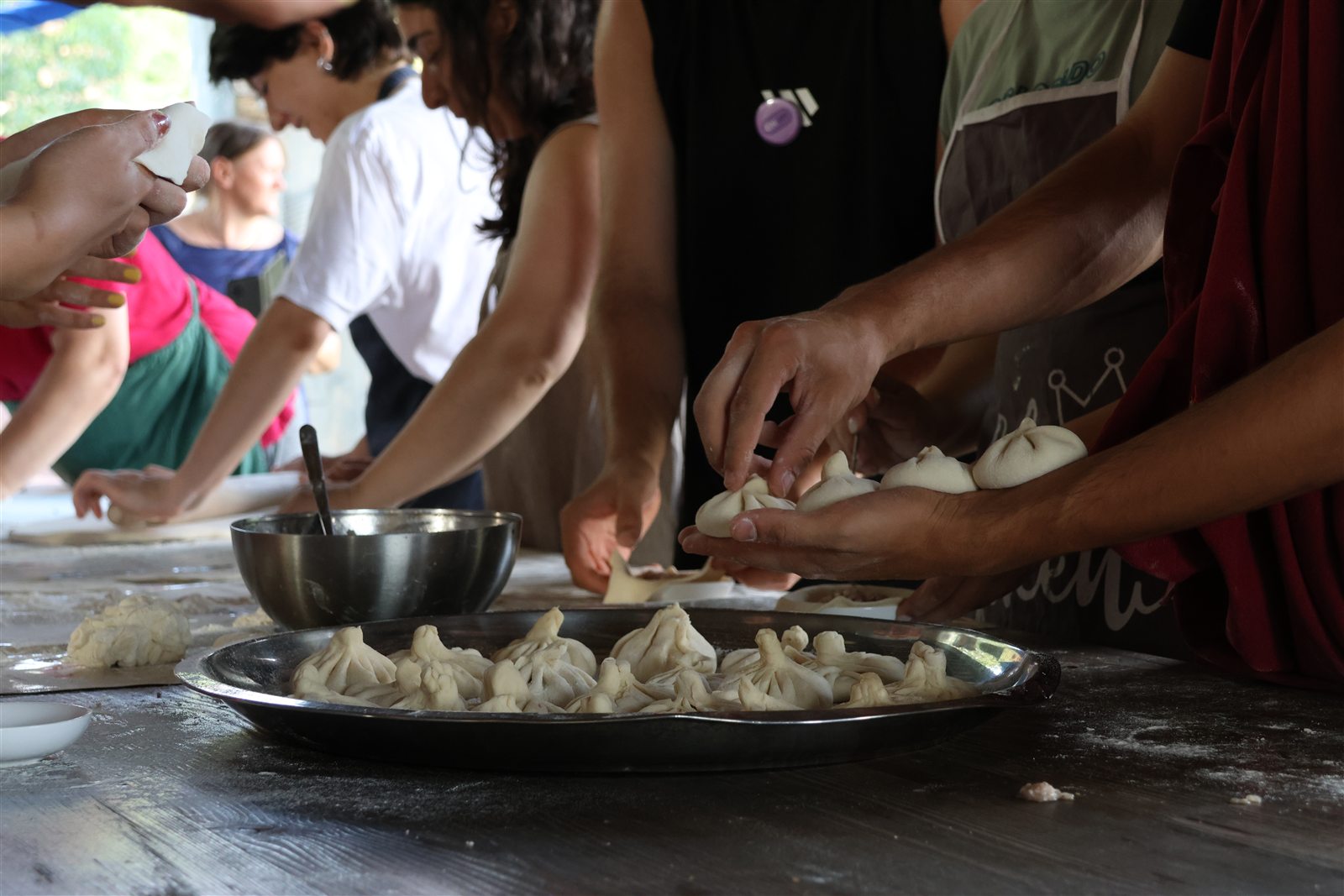 Research became a travelling public conversation.
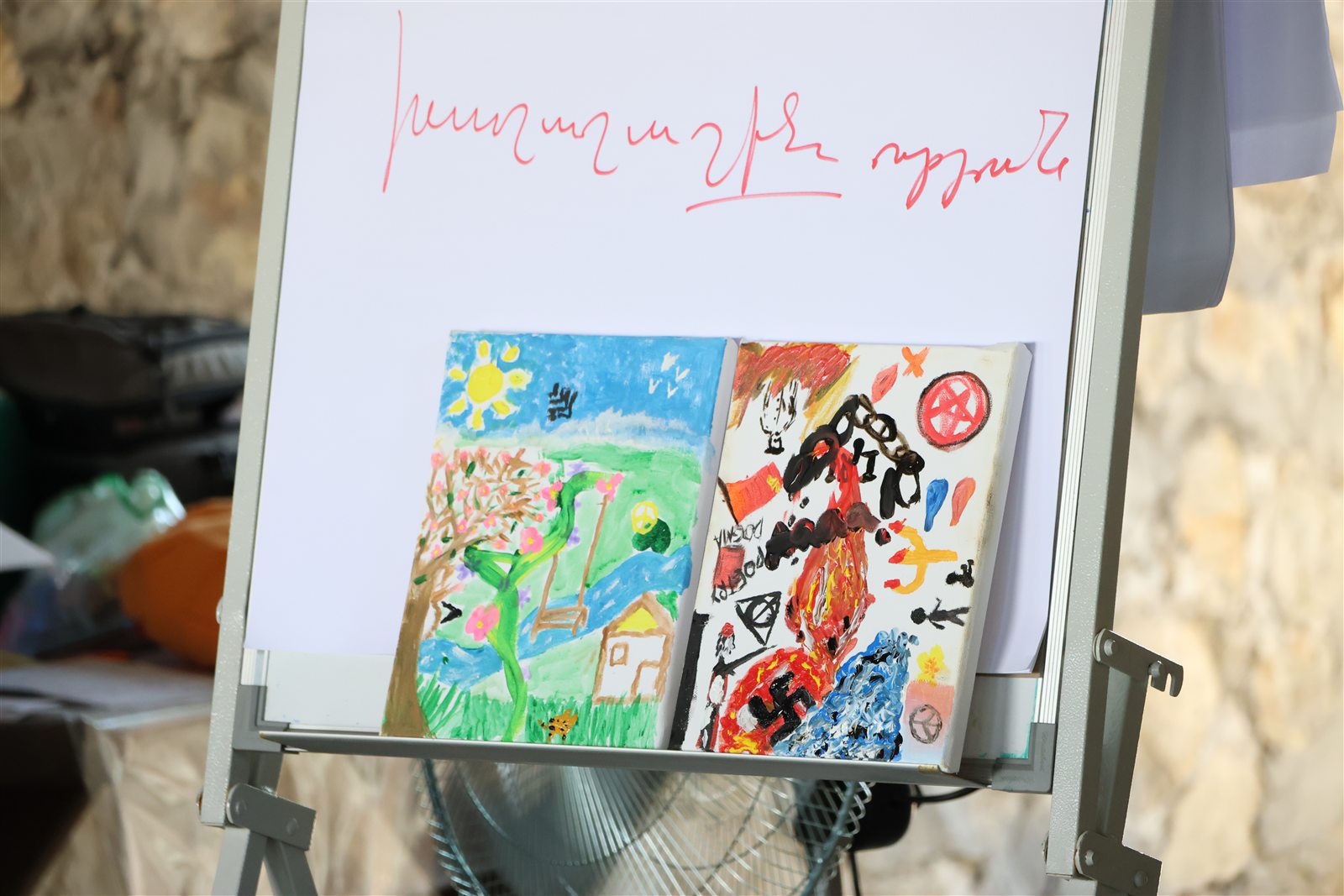
The Future We Want initiative emerged from the collages created by young participants during the Seed the Change Summer School and the conversations they shared about the future. Together, they revealed an interesting contrast: young people often imagined the future with greater hope and possibility than the narratives they encounter in society and everyday life.
The collages became more than creative artworks – they served as expressions of young people’s identities, perspectives, and aspirations. Building on this, Frontline launched a participatory research initiative involving diverse groups of young people, including school students, university students, employed and unemployed youth, young people displaced from Nagorno-Karabakh, and Yazidi girls. Through a series of focus group discussions, participants reflected on identity, belonging, gender, and their place in society.
The research findings were presented through an interactive art exhibition. The exhibition was displayed for a month in the Yerevan Metro before travelling to Ijevan, Vanadzor, and Gyumri in collaboration with local partners. In doing so, the initiative built upon Frontline’s long-standing tradition of public exhibitions, reimagining it in a new format that reached wider and more diverse audiences.
The findings have also been compiled in The Future We Want publication, available in both digital and printed formats.
Safe classrooms begin with informed educators.
04
From Participatory Research to Educational Practice
Towards Trauma-Informed Education
This initiative explores how conversations about peace, conflict, and trauma can be academically grounded while remaining safe, accessible, and creative.
Throughout the research process, local and international education experts, teachers, and practitioners shared their experiences and approaches to trauma-informed teaching. These insights were combined with Frontline’s field observations to develop a practical collection of trauma-informed educational methods tailored to the Armenian context.
The outcome is the Towards Trauma-Informed Education handbook, designed for educators across all subject areas. It offers practical, easy-to-use methods that help teachers create safer, more supportive, and trauma-sensitive learning environments while strengthening everyday communication and classroom relationships.
The handbook received a positive expert evaluation from the National Center for Educational Development and Innovation and was officially endorsed by the Ministry of Education, Science, Culture and Sport of the Republic of Armenia as a supplementary educational resource.
The initiative continues through practical implementation. Based on the handbook, Frontline has delivered teacher training programmes where participants apply the proposed methods in their own classrooms and provide feedback, contributing to the ongoing refinement and improvement of the resource.
05
A long-term youth leadership platform
Ambassadors Program
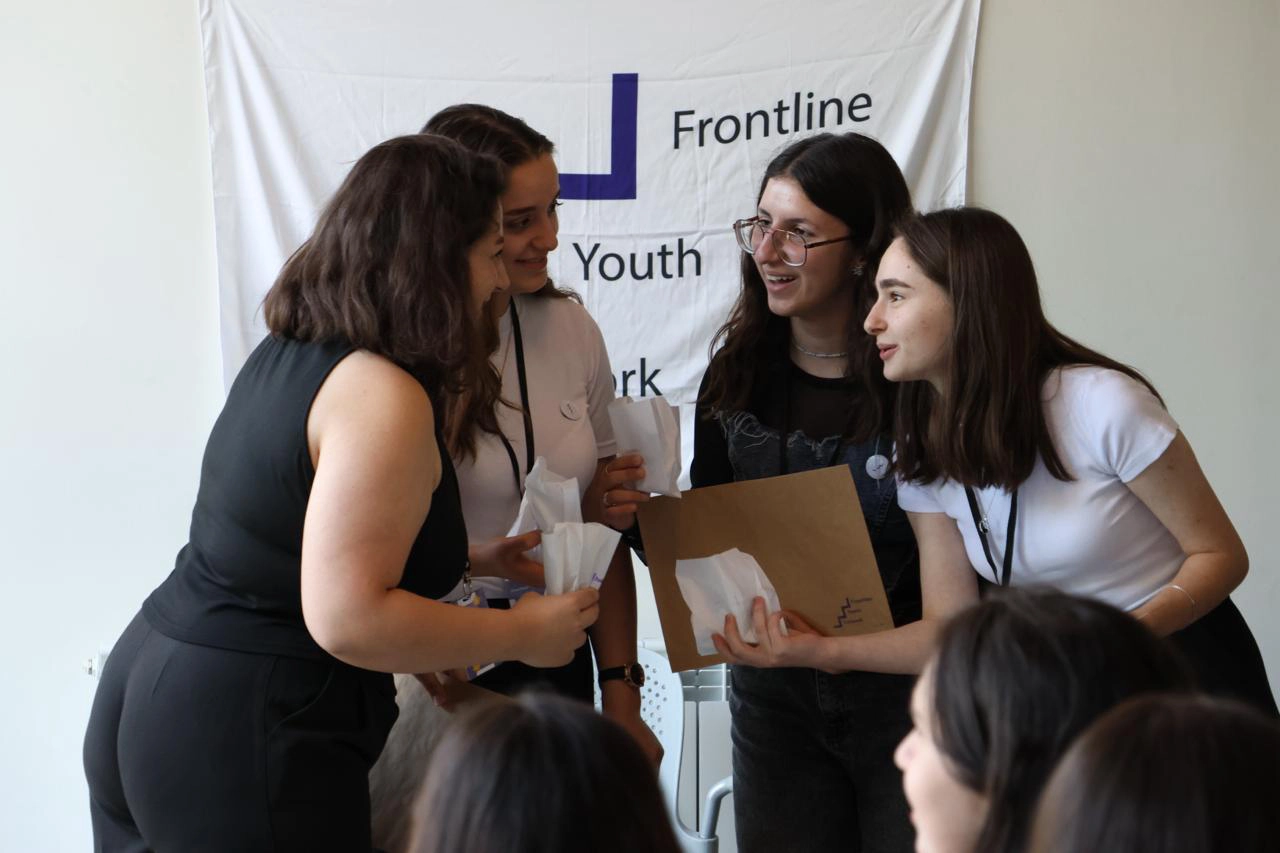
The Ambassadors Program brings together Frontline's most active young participants. The end of a program is not the finish line, but the beginning of a new journey.
Ambassadors continue to learn, collaborate, lead initiatives, and promote Frontline’s values within their communities. The program was developed based on the Ambassadors Handbook and aims to build a strong network of young leaders committed to advancing peacebuilding, human rights, environmental sustainability, and active citizenship.
Ambassadors contribute to Frontline’s initiatives, support new programs, represent the organization in different settings, and create positive change through their own community-driven initiatives.
The ambassador journey
Three phases. One growing community.
- 01
Learning Phase
Ambassadors join thematic trainings, workshops, and networking sessions, strengthening leadership, communication, project management, and knowledge related to Frontline's core areas.
- 02
Action Phase
Ambassadors design and implement community or youth-led initiatives, putting their new knowledge and skills into practice.
- 03
Community Phase
Ambassadors remain active in Frontline's network as mentors, volunteers, event co-organizers, and role models for new participants.
06
An Animated Podcast and Interactive Learning Platform
PeaceON Podcast
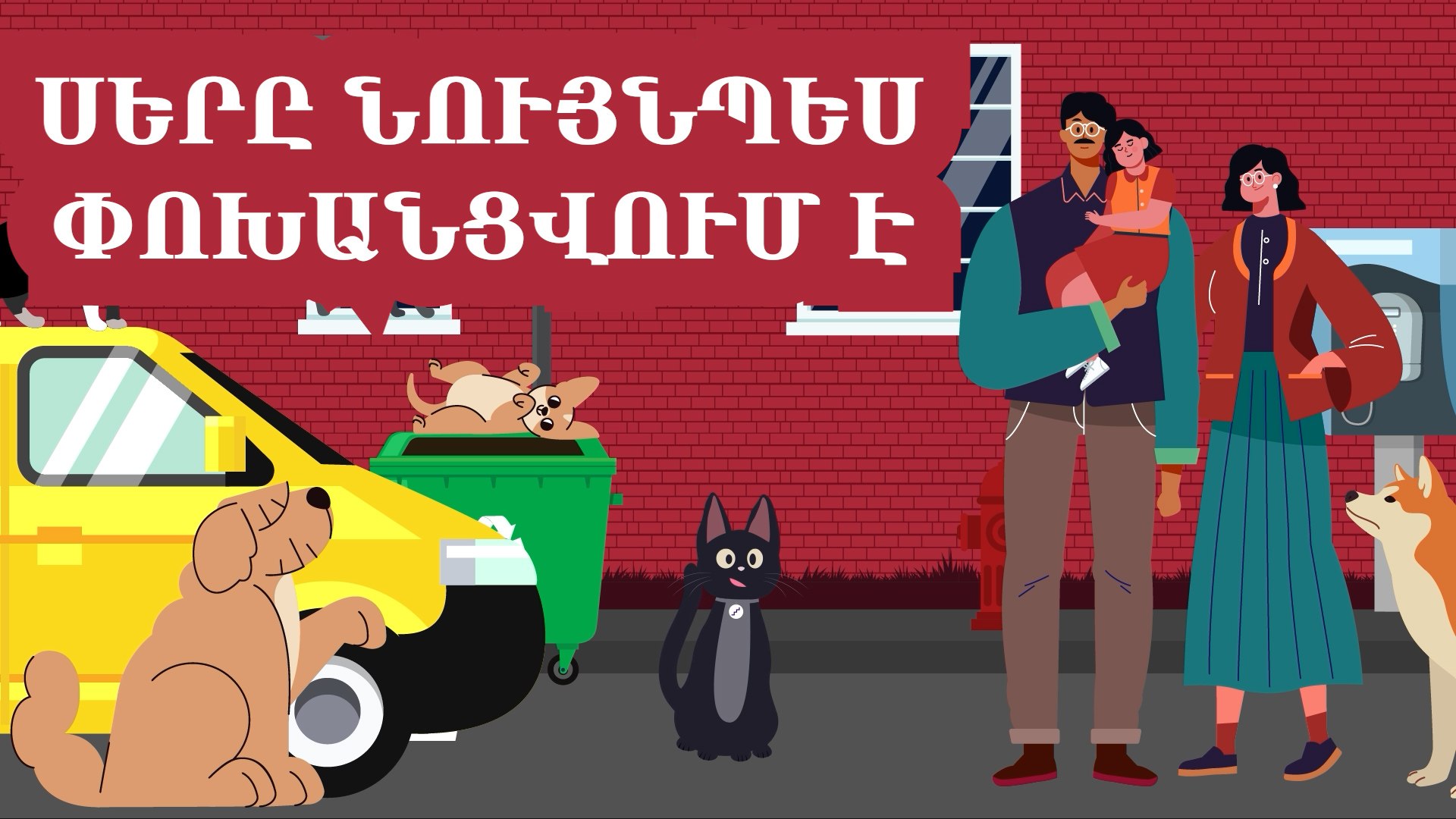
Through storytelling, humor, and relatable conversations, the podcast explores ideas that shape everyday life and encourages young audiences to think critically about the world around them.
Hosted by Piso, whose name means “cat” in Armenian, PeaceON turns topics that may feel difficult or abstract into engaging learning experiences. Episodes explore media literacy, disinformation, financial literacy, environmental protection, fast fashion, social media, human rights, and active citizenship through real-life examples and age-appropriate language.
In recent seasons, Piso is joined by FYN, a skeptical companion who challenges assumptions and asks difficult questions. Together, they model curiosity, evidence-based thinking, and constructive dialogue.