Colors of Coexistence: An International Artivism Journey to Serbia
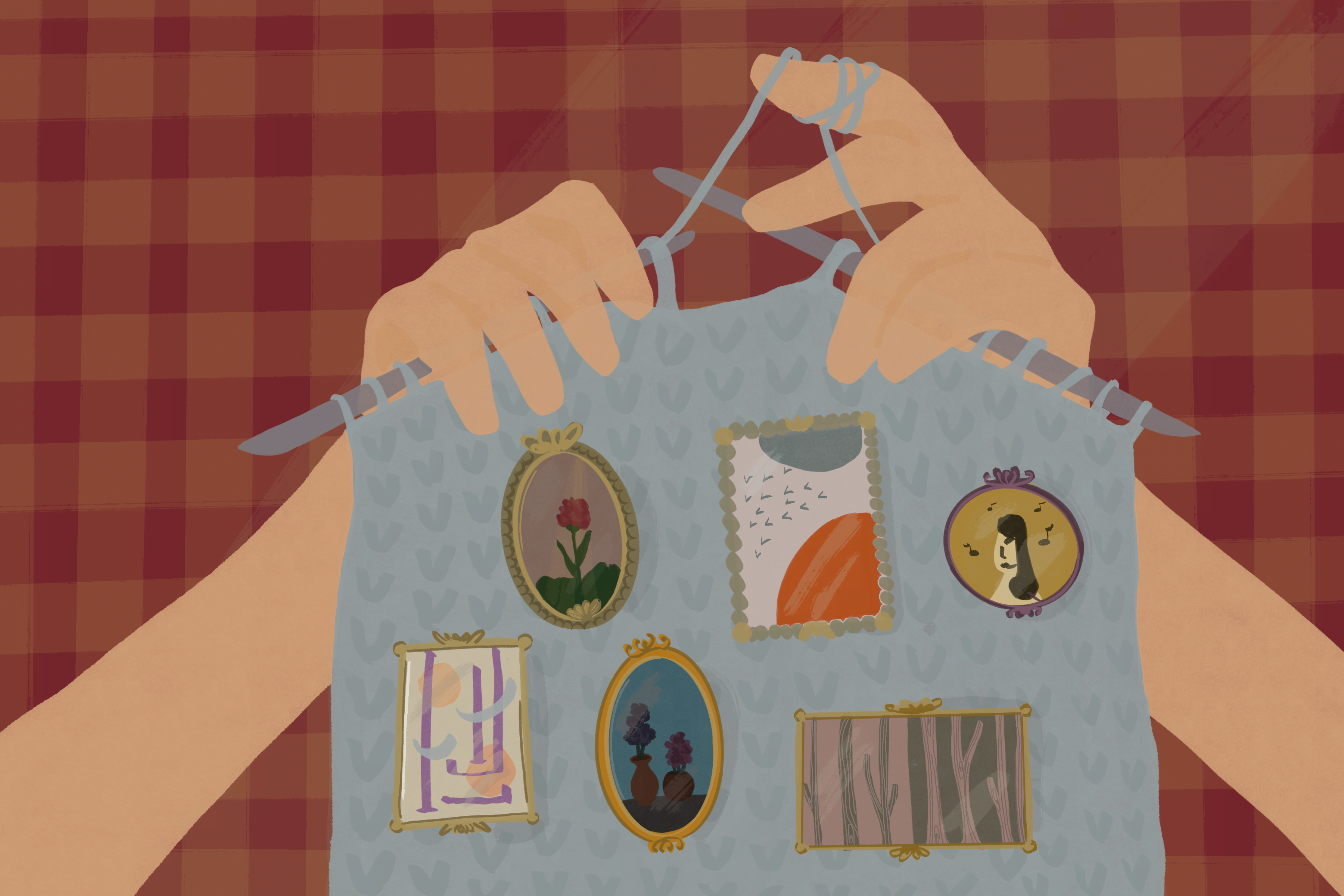
What happens when artists from different countries, with different backgrounds and life stories, come together to talk about peace? They create something that words alone cannot express. In this international non-formal education program, queer artists explored coexistence, equal rights, and the power of honest communication, and turned their personal stories into works of art. Each piece carries one simple message: behind every identity stands a human experience that we all share.
Art can become a means not only of self-expression, but also of dialogue, mutual understanding, and peacebuilding. At the same time, art is a way to speak out about social issues and make one’s own voice heard. This idea was the foundation of an initiative focused on peacebuilding through art, which brought together Armenian and international artists around creative work and gave them the opportunity to contribute to a more inclusive and peaceful coexistence.
A New Approach to Cooperation and Coexistence: The Idea and Distinctive Features of the Initiative
At the heart of this initiative is the creation of new opportunities for cooperation and coexistence through art and peacebuilding. It unites art and activism as tools for promoting social change.
What makes the initiative distinctive is that peacebuilding is approached as a creative and participatory experience. Through art, participants get the chance to express their individual and collective stories, listen to one another, discuss ways of creating, and discover the commonalities that can become a basis for cooperation.
Moreover, one of the project’s notable features is that it addressed the issues faced by the queer community and provided participants with a safe and supportive environment in which they could speak about topics that had long been kept silent.
Creative Work as a Platform for Peace Dialogue
Speaking about peace and coexistence through creative work is important because art makes it possible to express emotions and feelings that are sometimes hard to convey in words. Through art, it is possible to address sensitive topics that we usually avoid confronting in everyday life. It creates an environment in which people can not only talk about their experiences, but also hear, see, and feel experiences that are natural to human beings and common to all of us.
The involvement of people whose voices are often not heard enough is especially important in this process. Their participation highlights their place in public life and emphasizes inclusion as a fundamental starting point for building a stable and peaceful community. By limiting the development opportunities of one of its parts, a society limits its own prospects for development; conversely, an inclusive society is more oriented toward growth, because opportunities are available to everyone.
Ultimately, peace is not merely the absence of conflict; it is also the ability to recognize, accept, and respect one another’s differences. And creative work is an integral part of coexistence.
The Path of Creation: From Idea to Realization
Each participant’s path had its own individual trajectory of development, but there were certain common patterns within the group. From the very first meeting, participants were open to new acquaintances and ideas. Beyond the mentoring support provided during the creation of individual projects, mutual help played a major role: ideas voiced during group discussions were supplemented and improved.
Small grants and mentoring support played an important role in this process by making it possible to put ideas into practice. The small grants gave participants the resources needed to bring their initiatives to life, while mentoring helped clarify ideas, develop creative approaches, and overcome difficulties that arose during implementation.
Among the values underlying this project, inclusion and diversity were also reflected in the participants’ works. Some focused on personal life experience and, through it, spoke out about global issues. Others addressed social issues from the outset, showing how society affects each of us.
It was also interesting to see how many different ways an idea can be presented. Some preferred photo/video installations, while others favored performance, where they were in direct contact with the audience. The integrative elements of the artworks were also notable, allowing viewers to immerse themselves more deeply in the art and become part of it.
Perhaps the most important observation was that creative work can change not only how we talk about peace, but also how we listen to one another. It is an alternative way of approaching direct conversation about difficult topics, giving people the opportunity to experience suppressed emotions.
The collaboration formed between the participants and the organizing staff also played a major role in this process. Thanks to it, people were able to create, engage in honest dialogue, raise questions, and sometimes reconsider their own perceptions and approaches, confident that they would not be criticized.
Similar initiatives can give people valuable interpersonal connections that serve both community strengthening and personal development, and that become a source of inspiration and new ideas. In addition, an important feature of such initiatives is that people are provided with a safe space where no justification of one’s identity is needed. Moreover, in such an environment, people gain opportunities to develop teamwork, peaceful dialogue, and creative skills.
Art is a powerful tool for building a peaceful, stable, developing, and inclusive community, in which voices become audible and the commonalities between people become visible. Art is about unity.
This initiative was an important step toward building connections between peacebuilding, the queer community, and art, showing that art can be not only a means of self-expression but also a bridge between people, between different experiences, and between realities that sometimes seem far apart.