From the Frontline Peace Academy to the Classroom
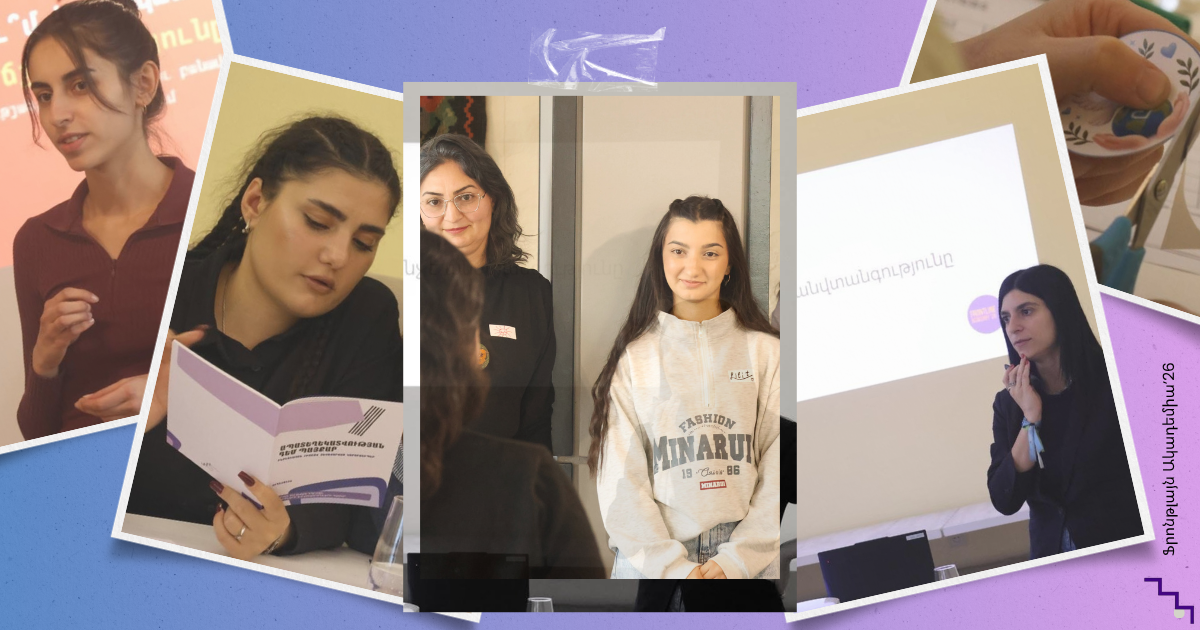
At the end of their second three-day retreat, participants in the Frontline Peace Academy sat down to reflect on the time they had spent together. When we asked what they had valued most, they talked about being able to speak freely, getting to know new people, and the emotions that had come up during the sessions. One particularly specific takeaway also stood out: the difference between border delimitation and demarcation.
Their answers showed how each student was connecting the Academy’s discussions to everyday life and future work. Some were already thinking about which discussion methods they might use in their own classrooms. One participant said they had already had a chance to put some of their new skills into practice.
From Summer School to the Academy
The Frontline Peace Academy is our attempt to build on the Seed the Change summer school by giving participants more time to learn together. We wanted to see what a longer program could offer when participants have time between sessions to revisit the questions they discussed, try out what they learned, and bring their observations to the next meeting.
We are running this pilot exclusively in partnership with Khachatur Abovian Armenian State Pedagogical University (ASPU), with around 20 students taking part. So far, we have held two online sessions and two intensive retreats. Working with future teachers has also given the program a practical focus. How might they use what they learn about peacebuilding in their work with students?
Bringing the Learning into the Classroom
Participants valued having a space where they could speak freely and hear how others understood the same issue. Some highlighted the experience of looking at their own behavior through someone else’s eyes. Others talked about making compromises, finding solutions together, or gaining a clearer sense of how they could personally contribute to peacebuilding.
When we asked what they would like to try with children, the students gave specific examples. Some would use creative exercises to give children different ways to express themselves. Others wanted to try using games to explore a classroom topic. Participants also mentioned Frontline’s handbook on disinformation and the very format they were using to reflect on the retreat. In a fishbowl discussion, a small inner circle discusses a question while the larger circle listens and takes turns joining the conversation. The students could see themselves using it in their own classrooms to help learners hear and exchange different views.
The connections they made mattered, too. Students said they hoped to stay in touch as they began their careers. They also appreciated the time between retreats, which made it easier to fit the program around their studies and other commitments.
What Participants Would Change
During the reflection, students suggested meeting in person before the first retreat so they could get to know one another before traveling together. They also wanted more sessions on education-related topics and more active involvement from the Academy’s ambassadors and team members in some sessions.
Several of these suggestions have to do with how much time we set aside for getting to know each other and working together. We had originally planned to meet in person before the first retreat. When the Academy’s October launch coincided with the COP17 international biodiversity conference, we moved those initial meetings online. Hearing that students valued both the time between retreats and the chance to meet earlier helps us see what to keep and where to try something different.
The Academy’s final leg – the study visit is now underway. We’ll share a separate account of the visit that includes participants’ reflections. Once we’ve reviewed the experience as a whole alongside the evaluation results, we’ll return to the question we started this pilot with: should the Academy continue, and if so, in what form?